


Bjarke Ingels

4
Bjarke Ingels is one of the most widely recognized architects today. Founder of BIG (Bjarke Ingels Group), he champions a design philosophy called “hedonistic sustainability.” Instead of thinking of green architecture as a sacrifice, Ingels frames it as a chance to make things more enjoyable and useful. His work includes buildings like VM Houses in Denmark, innovative mixed-use complexes, and bold infrastructure projects like Amager Bakke—a waste-to-energy plant with a public ski slope on its roof. Ingels’ influence comes from blending environmental performance with playful public engagement, making sustainability exciting for clients and cities alike.
Francis Kéré

4
Francis Kéré brings local traditions and low-tech sustainability to the global stage. Born in Burkina Faso and working internationally, he designs buildings that use local materials, passive climate strategies, and community involvement.His Gando Primary School, for example, uses clay and timber in ways that keep interiors cool without air conditioning. Kéré’s approach is rooted in dignity, cultural identity, and shared ownership of architecture. By proving that thoughtful design can be affordable and climate-aware, he has influenced architects and policymakers around the world.
Jeanne Gang

4
Jeanne Gang has reshaped conversations about cities and ecology. Based in Chicago, her firm Studio Gang explores how buildings can support nature and community. Projects like Aqua Tower incorporate sculptural forms driven by environmental performance, while the Nature Boardwalk at the Chicago Field Museum blends landscape, habitat, and public space. Gang is known for tackling complex urban issues—from biodiversity to social equity—making her one of the thought leaders in contemporary architecture.
Shigeru Ban

4
Shigeru Ban is celebrated for his humanitarian work using unconventional materials. He pioneered paper-tube structures for emergency shelters after disasters in Haiti, Japan, and elsewhere. These designs are lightweight, cost-effective, and surprisingly graceful. Ban’s work shows that architecture doesn’t have to be luxurious to be meaningful—it can be rapid, resourceful, and profoundly humane. His influence lies in proving that architecture can actively serve people in crisis.
Tatiana Bilbao
4
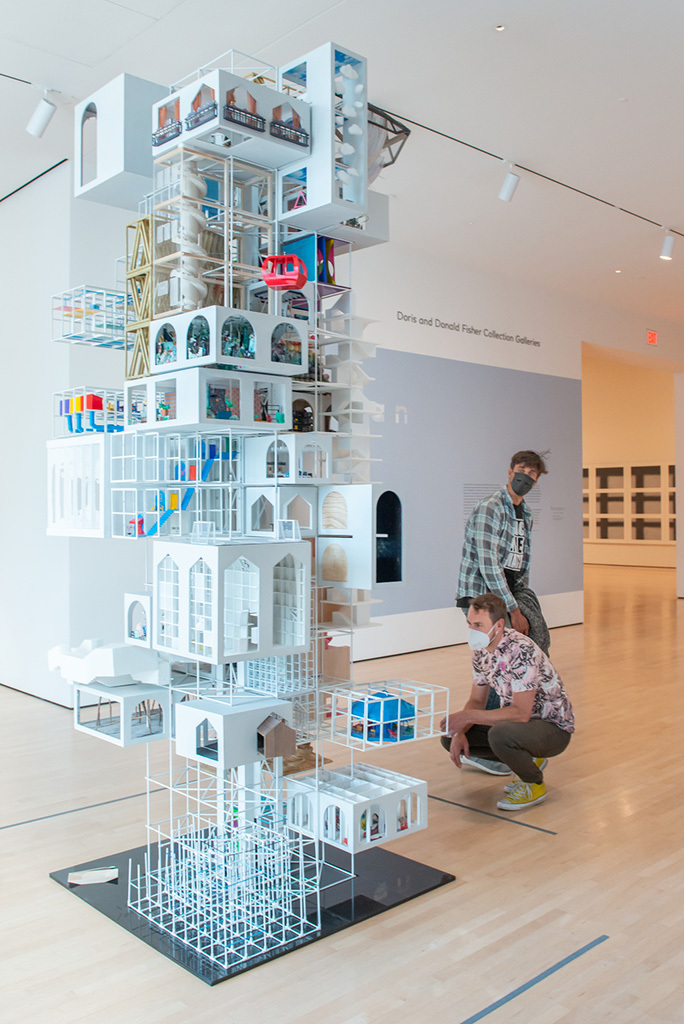
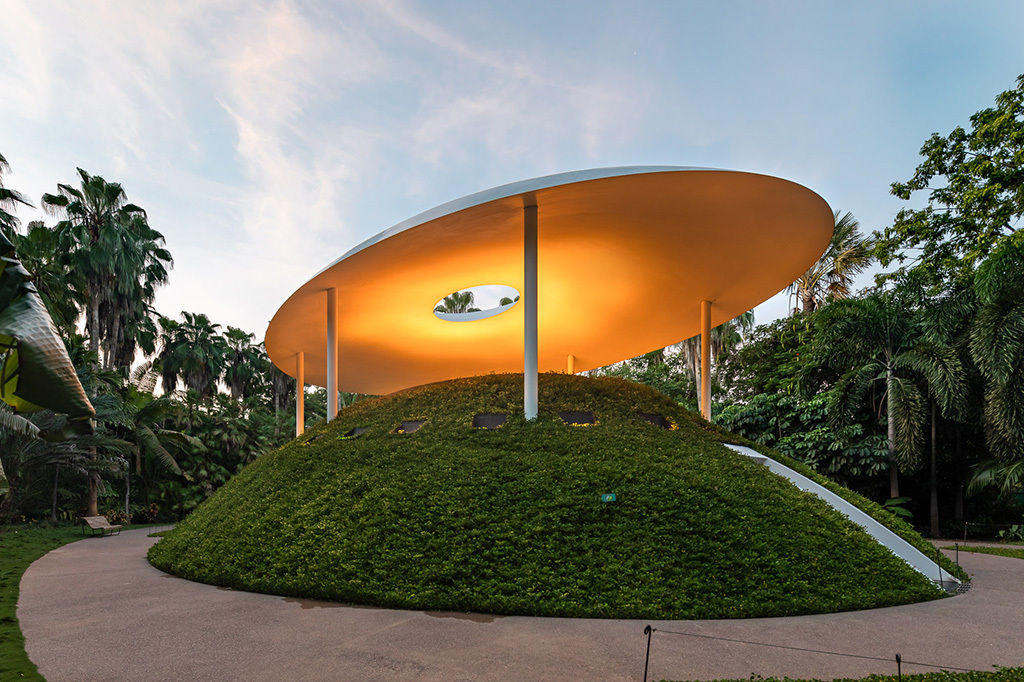
Tatiana Bilbao focuses on housing, social design, and incremental growth. Her work addresses real-world needs with flexibility and cultural sensitivity. In projects like affordable housing and community buildings, Bilbao explores ways that design can adapt to changing needs over time. She often integrates vernacular elements, climate-responsive details, and public space into her work, influencing how architects confront inequality and densification in cities.
Tadao Ando
4
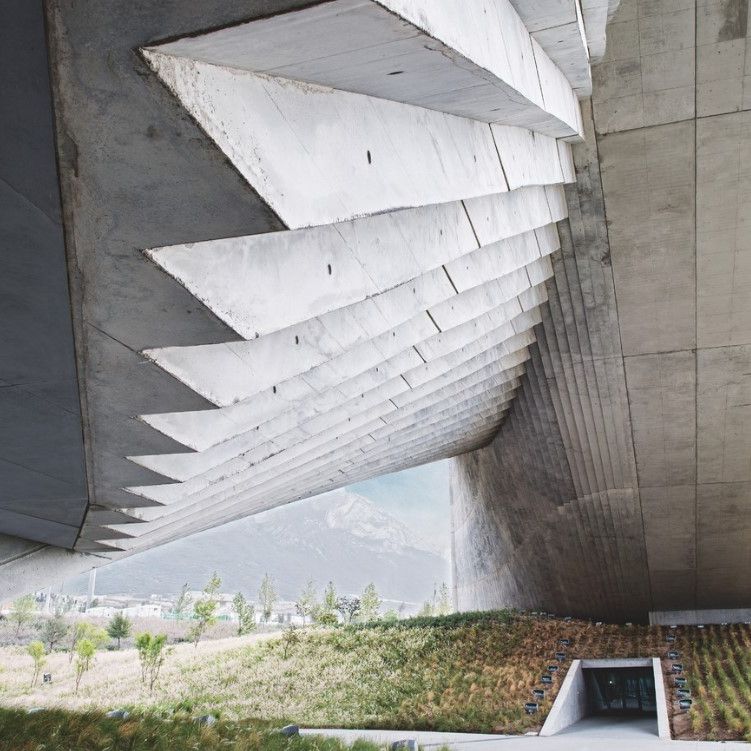
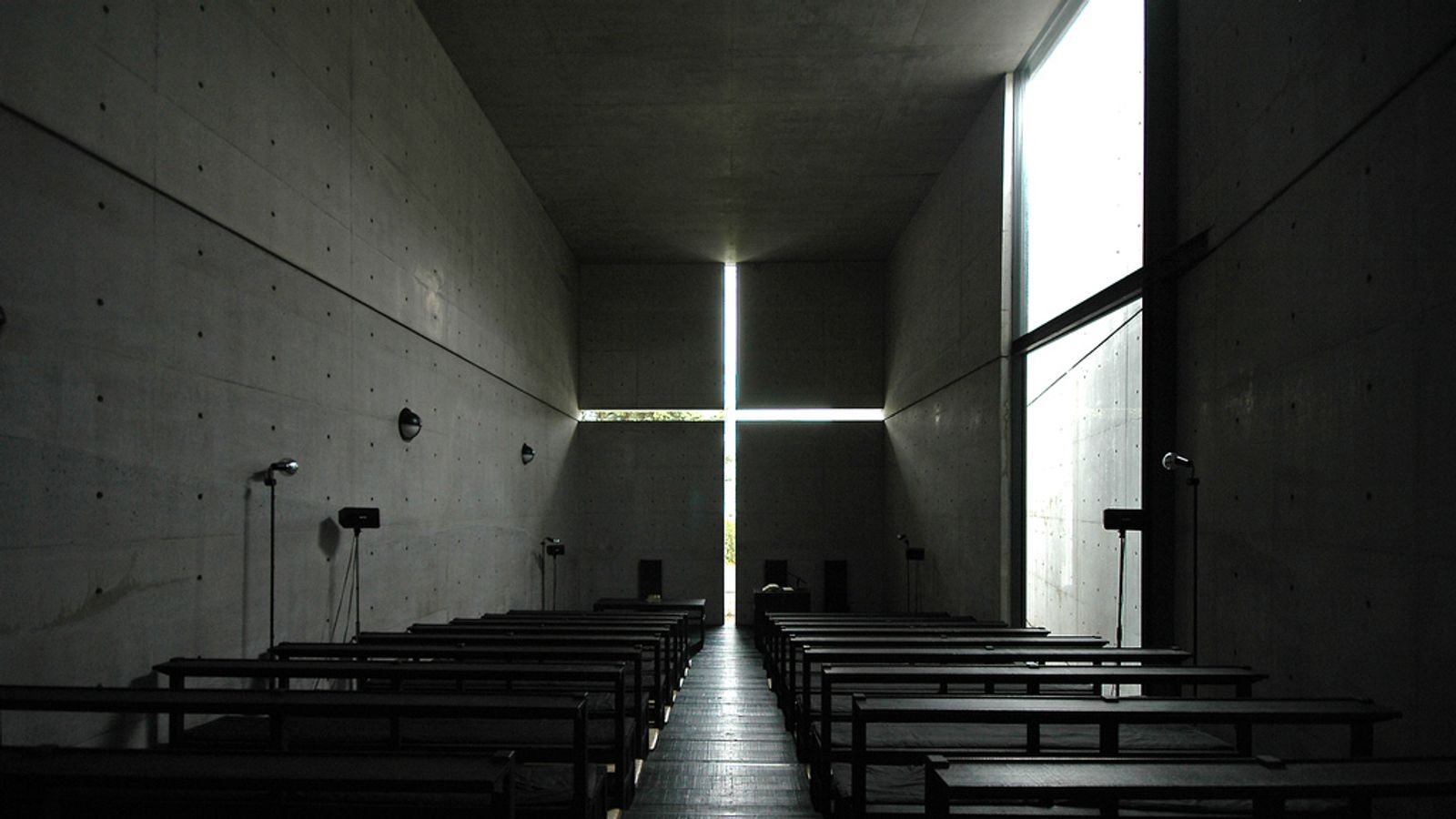
Tadao Ando is a master of minimalism and materiality. Known for his poetic use of concrete, light, and space, his buildings evoke calm, reflection, and presence. Ando’s work—such as the Church of the Light in Osaka—transforms simple materials into profound spatial experiences. While rooted in modernism, his architecture carries deep philosophical undertones, influencing generations of designers who seek meaning beyond ornament.
Elizabeth Diller


4
Elizabeth Diller, part of Diller Scofidio + Renfro, works where architecture meets public life and cultural expression. Projects like The High Line in New York transformed unused urban infrastructure into celebrated public space. Her work blurs boundaries between architecture, art, and performance, showing that buildings can shape civic identity and cultural narratives.
Together, these architects represent diverse forces shaping the built world today—from ecology to social equity, from material experimentation to public life. Their influence isn’t just in skylines; it’s in how architecture thinks, feels, and actsin an ever-changing world.
