

Pasquale J. Cuomo didn’t stumble into photography—he walked into it with purpose, camera in hand, still a teenager. What began as a simple curiosity turned into a life’s work, spanning over fifty years. An American photographer rooted in experience and passion, Cuomo has seen the artform shift from the darkroom days of film to the clean precision of digital—and now, with deliberate choice, he’s gone back to film. His career has moved through fashion, architecture, advertising, weddings, public relations, and legal documentation. By 1985, Cuomo was no longer dabbling. He had a full-fledged operation, complete with his own lab, serious gear, and an impressive list of clients. The work never narrowed to one subject. He captured it all—people, structures, landscapes, machines—always with the eye of someone trying to find something real behind the surface.
Lately, Cuomo has been turning back to landscapes, film, and memory. His recent works are quiet but full. They show a return not just to places but to the kind of process that made him fall in love with photography in the first place.
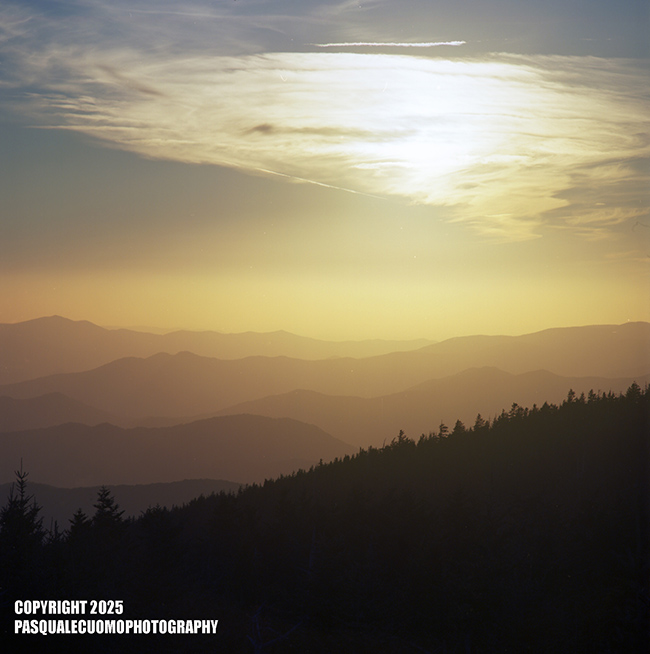
In October 2024, Cuomo made his way back to Great Smoky Mountains National Park. His last visit was over 30 years ago. This time, he was 70, carrying gear up the steep trail to Clingman’s Dome—the highest point in the park—hoping to catch the sunset. The weather didn’t exactly cooperate, but he still managed to create a few images that made the whole effort worth it. Cuomo used his trusted Hasselblad 500C/M with a 150mm lens and Ektar film, a setup that speaks to his dedication to analog craft. For Cuomo, the climb was more than physical. It was a return to a younger self and a reminder that the land still has something to show, even if you’ve seen it before.
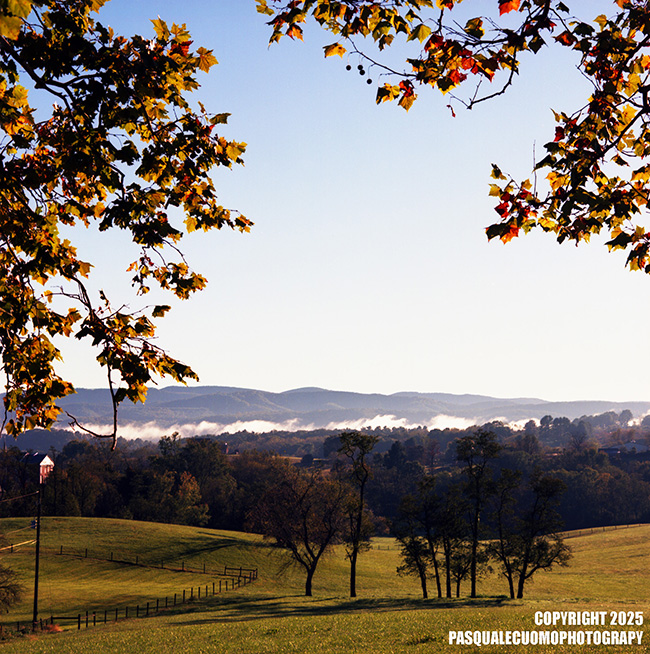
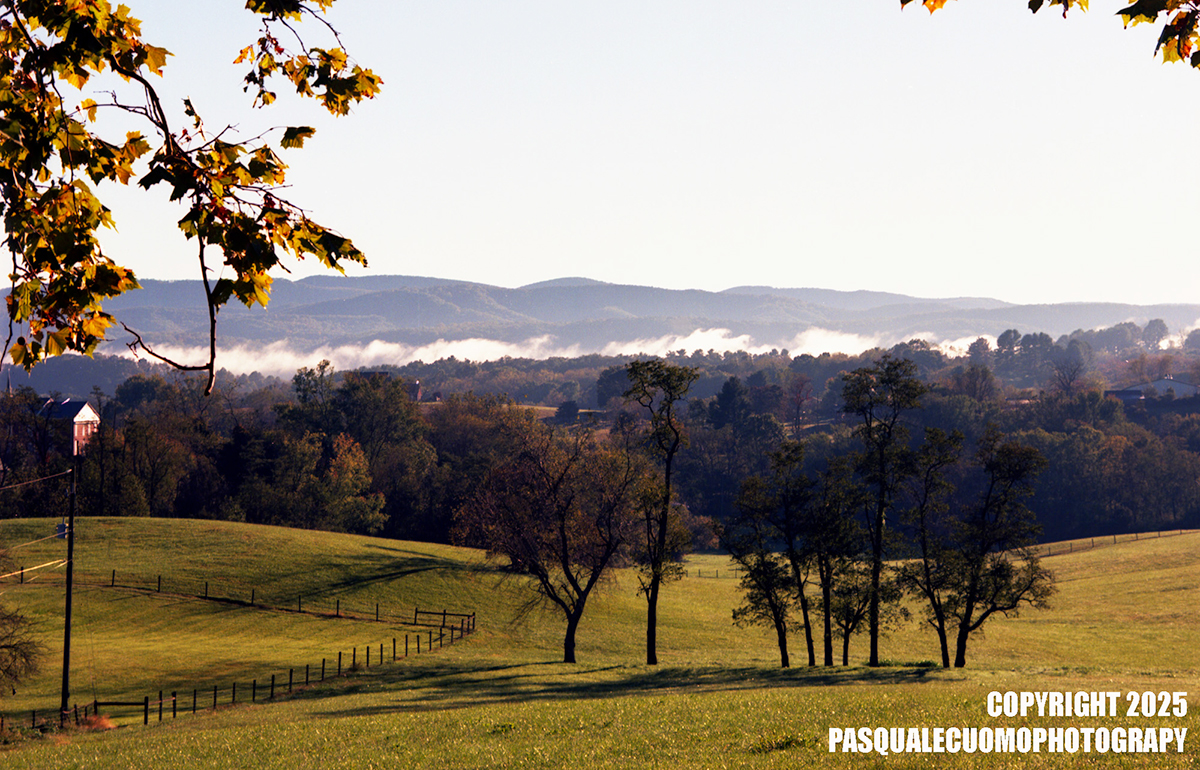
That same month, he also photographed the Shenandoah Mountains, just off Roanoke, Virginia. This part of the country clearly holds something for him. He talks about wanting to spend several more days there on future trips, just wandering with his camera. The early morning fog caught in the valleys, the stillness of the ridges—it’s the kind of beauty that asks for patience, which Cuomo has in spades. Again, he used the Hasselblad, this time with a 50mm Zeiss lens. The wide-angle captures the scale of the scene, but there’s nothing flashy or exaggerated about the image. It’s quiet, just like the mountains.
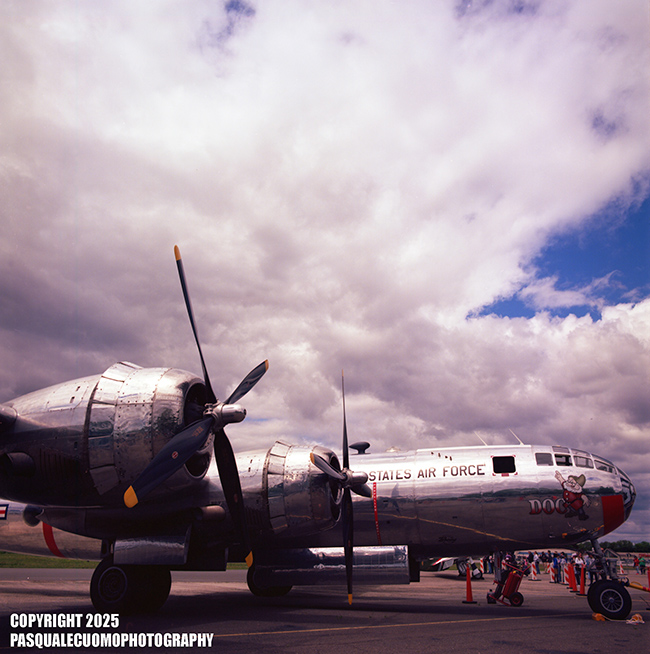
Then there’s the aircraft work. This is a different kind of project but just as personal. On Memorial Day weekend, Cuomo photographed one of only two B-29 bombers still flying, in Farmingdale, New York. He has a growing archive of aviation images—both commercial planes and warbirds. His fascination isn’t just aesthetic. Cuomo once worked as a machine tool salesman and visited aircraft plants all over the country. His interest is mechanical, functional, reverent. These planes aren’t just objects; they’re stories with rivets and wings. The B-29 shot was taken with the same Hasselblad setup, and like his landscapes, it reflects a respect for structure, form, and effort. Capturing a massive aircraft like the B-29 isn’t easy, especially with limitations around access and space. Cuomo doesn’t just document these planes—he interprets them.
What ties all this work together is care. Cuomo isn’t rushing anything. He chooses film on purpose, knowing that every frame costs time and money. He carries heavy gear up trails at an age when most people are putting theirs away. His images don’t scream for attention—they hold your gaze quietly, drawing you in without pretense.
Cuomo’s work is less about spectacle and more about presence. Whether it’s a ridge wrapped in morning mist or a hulking aircraft parked under moody skies, he gives the subject room to breathe. There’s confidence in the framing, a kind of earned simplicity that comes from doing something for fifty years and still finding new things to see.
He’s not chasing trends or looking for social media clicks. He’s walking up a hill, gear on his back, hoping for the right light. That’s the work. And for Cuomo, it’s still worth doing.
