

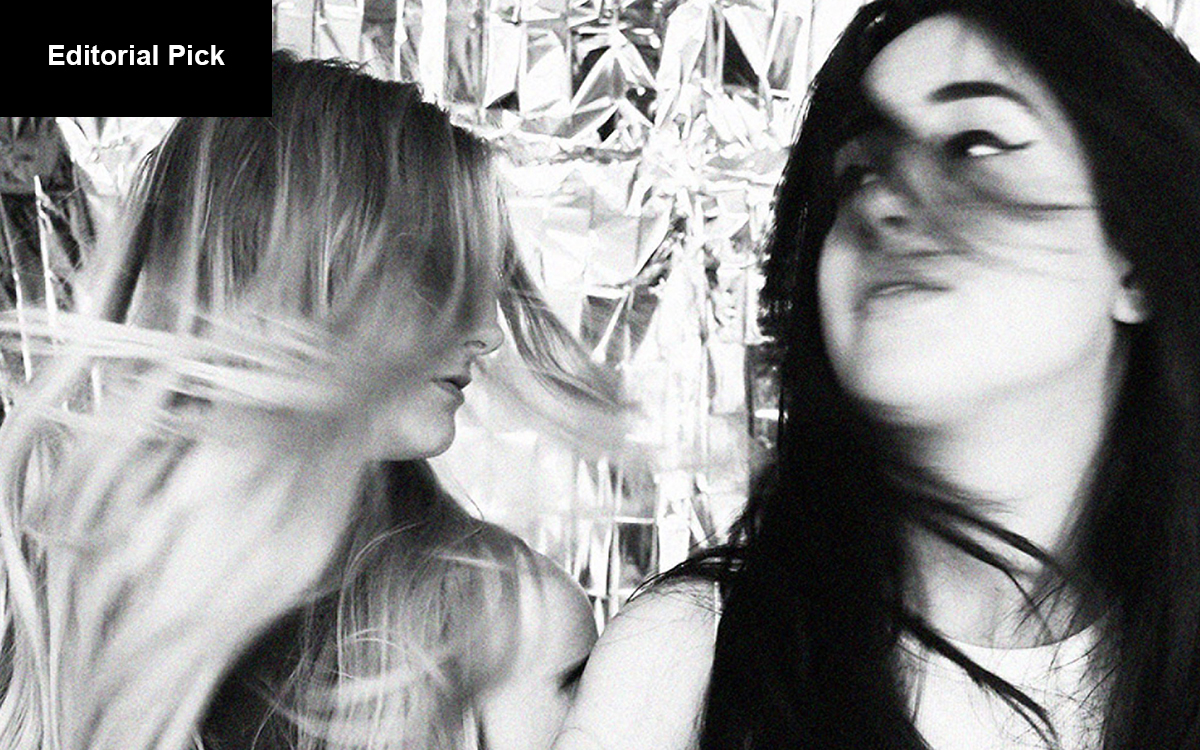
Born in the quiet elegance of The Hague, Netherlands, Andréa Lobel has shaped a photographic practice rooted in emotional connection. She studied at the Academy for Photography and later at the School of Arts and Design, but it’s the intent behind her work that defines her. Lobel doesn’t just take pictures—she builds moments that allow viewers to feel like they’re standing in the room with her subjects. She works in spaces where emotion, performance, and precision meet. Her photography is not distant observation. It’s intimate, deliberate, and curious.
She’s especially interested in the relationship between light and perception—how a setting can influence our sense of time, place, and identity. Her photographs often suggest more than they show. And with her ongoing “Helio” project, she leans further into that space, exploring the emotional weight of artificial suns, staged light, and the way young people move in front of it.
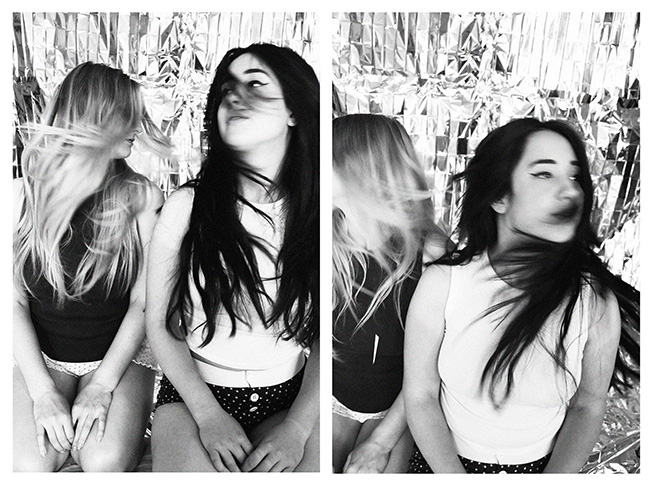
Helio -Valencia- (2025)
There’s a photograph called Valencia, part of Andréa Lobel’s Helio series. It’s recent—finished in 2025—and it’s still part of an active project. She plans to work on it until spring 2026. The image is simple at first glance: a young person stands in front of a glowing sun. But it’s not the sun you think. It’s man-made. Created. A theatrical prop, built from light, reflection, staging.
This sun doesn’t warm. It performs.
Lobel’s Helio series doesn’t aim for realism. Instead, it constructs a moment of presence—artificial, exaggerated, but honest in its own way. In Valencia, that contradiction is clear. The subject doesn’t look like they’re basking in sunlight. They’re under a spotlight, standing in a kind of staged vulnerability. Their face and posture carry a kind of quiet defiance, like they know the light isn’t natural but they’ll hold still for it anyway.
Lobel isn’t trying to trick the eye. She invites us to sit with the fake. The shine in Valencia is unmistakably human-made. You can see the boundaries, the way the light hits the skin too evenly, or bends in ways the actual sun wouldn’t. It reminds you that photography is always a kind of performance, always curated. Even the most natural image is shaped by where the photographer stands, what they choose to include or crop out, how they light it, how long they wait for the right expression. Valencia makes all that visible.
What makes Valencia work isn’t just the light—it’s the subject. The figure is young. Maybe a teenager, maybe early twenties. The age is important. Lobel has said she’s drawn to photographing young people because they still carry an openness in their expressions, a willingness to be looked at. But in this photo, there’s also something guarded. They’re facing the light, but their eyes are unreadable. Are they trusting the viewer? Are they tolerating us? Are they waiting to see what we’ll do with their image?
There’s no clear answer, and that’s the strength of the work.
The Helio series is meant to be a study in contrasts: youth and artifice, light and shadow, exposure and self-protection. Valencia captures all of that. Lobel’s subject is framed in such a way that they appear both central and anonymous. The exaggerated lighting flattens some features while drawing others into focus. It’s sculptural and strange. The result is something between a portrait and a concept—something you don’t quite know how to name.
Though Valencia is one image from an ongoing series, it feels self-contained. It raises questions about who we are when we’re watched, especially under idealized, unnatural conditions. It asks what it means to perform youth in a culture obsessed with documenting it. And it quietly wonders if an artificial sun can still make someone glow.
The image resists finality. It feels like part of a sequence, but it doesn’t need anything else to hold its ground. You could step away from it satisfied, or come back to it again and again, trying to read the expression more closely.
Lobel’s Helio series is ongoing, but Valencia suggests it’s already found its rhythm. She’s less concerned with narrative than atmosphere. Less about story, more about moment. She shows us that sometimes the best way to understand a subject is to place them somewhere unreal—and just see what they do.
By the time the series finishes in 2026, there may be dozens of photographs like Valencia. Each will likely feature a different subject. But the thread will hold. An artificial sun. A moment of stillness. And a photographer asking: what happens when we step into the light, knowing it isn’t real—but standing there anyway?
