

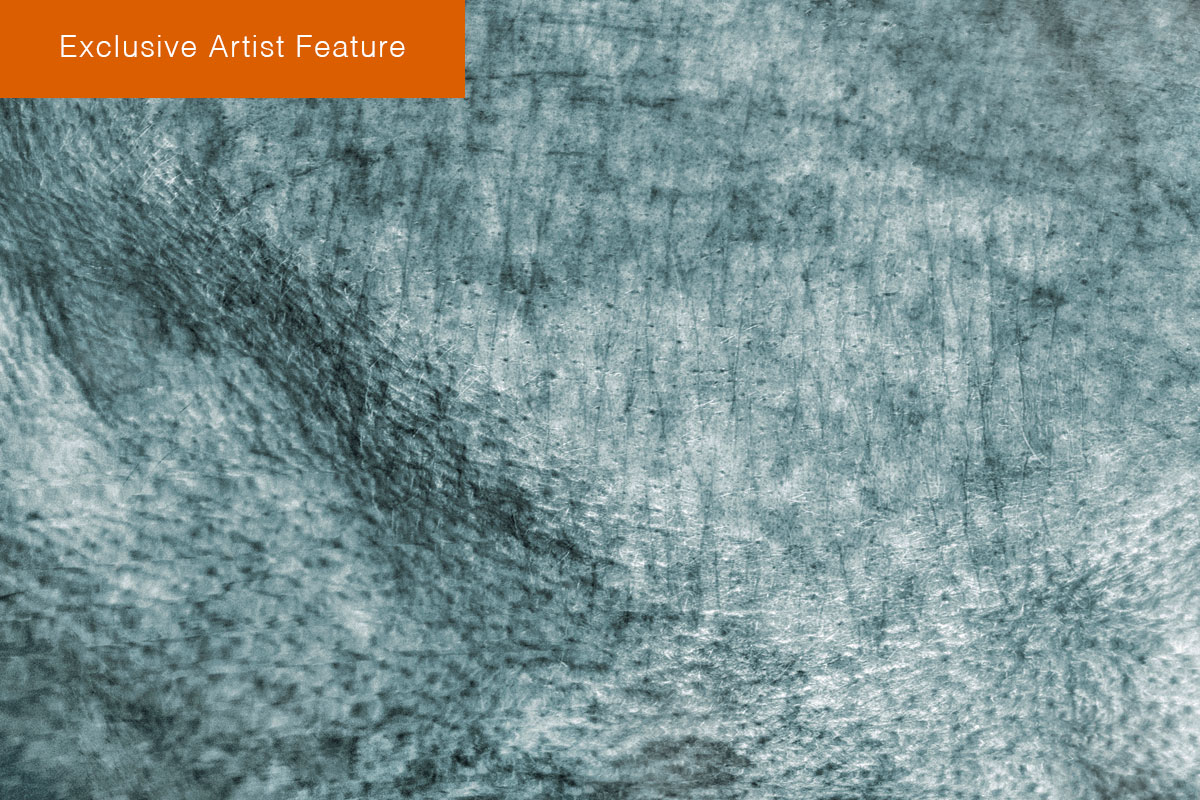
Vicky Tsalamata, an artist based in Athens and Professor Emeritus of Printmaking at the Athens School of Fine Arts, works where image and conscience meet. Her practice merges printmaking, mixed media, and conceptual inquiry to explore the space between ethics and experience, politics and personal truth. Over time, her art has become a mirror for society’s unrest and a method of quiet revolt. For Tsalamata, creating is a form of dialogue—a conversation between the artist and the world, between silence and dissent. Her work resists passivity, using irony, tension, and symbolism to confront the darker forces shaping contemporary life. Color and light, often deceptively calm, carry within them the pressure of unease. Each composition becomes a layered reflection on how we endure, adapt, and continue to breathe amid corruption, fear, and moral exhaustion.
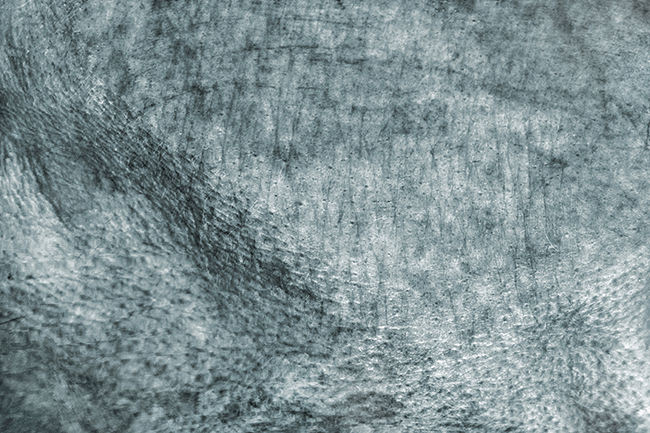
Life Is Getting Increasingly Toxic, Can We Breathe???
Created between 2011 and 2015, Life Is Getting Increasingly Toxic, Can We Breathe??? arose from the suffocating atmosphere of Greece’s economic crisis. Those years of austerity, disillusionment, and social breakdown marked a turning point in the nation’s modern history—and Tsalamata captured it in visual form. Her question, “Can we breathe?”, was more than rhetorical. It was both a protest and a plea for survival in a climate where integrity and justice were collapsing.
In this series, breath becomes a symbol of freedom and endurance. Each work pulses with tension, like a body struggling for oxygen. Layers of ink and subdued color evoke both the physical density of polluted air and the spiritual fatigue of a society losing its bearings. Tsalamata transforms suffocation into an aesthetic language—dense, deliberate, and unsettlingly human.
But these works go beyond crisis reportage. They expose something deeper: the corrosion of moral principles. For Tsalamata, the economic collapse was merely a symptom of a greater ethical failure—a collective loss of empathy and accountability. To create art under such conditions was, for her, a political act. Every print becomes an assertion of truth, an insistence on clarity amid distortion.
The series found resonance far beyond Greece. Exhibited internationally—at the Douro Global Print International Exhibition in Bragança (2017) and the Douro International Print Biennial at the Miguel Torga Museum (2018)—the works spoke to a broader human condition. The question “Can we breathe?” echoed across nations, revealing how suffocation—social, moral, or spiritual—is a shared experience of the modern world.
The tone of the series is one of restrained urgency. Tsalamata’s prints do not shout; they compress emotion into stillness. Their quiet force lies in contrast—the coexistence of beauty and decay, order and collapse. Through this tension, she transforms printmaking into a form of awareness—where the act of breathing itself becomes resistance.

Life Is Wildly Unpredictable, Can We Talk About It?
Before Life Is Getting Increasingly Toxic, Tsalamata created Life Is Wildly Unpredictable, Can We Talk About It? (2010–2012), a reflection on instability and loss of control. These works emerged as Greece entered the first waves of its crisis—when the future was uncertain and the ground beneath people’s feet began to shift. The title, deceptively conversational, conceals deep unease. It asks for openness in a time when real dialogue was slipping away.
In this series, unpredictability becomes both theme and method. Tsalamata’s layered prints mirror the confusion of the era—fractured forms, disjointed lines, and muted contrasts capture the sense of living through a storm with no clear direction. The compositions hover between structure and collapse, echoing the psychological disarray of a society in flux.
She brings the viewer inside that turbulence. Her “next-door presences”—those living on the edge of homelessness, violence, and despair—exist side by side with the political elites who helped create such conditions. The works refuse to separate the two, insisting that power and suffering occupy the same proximity.
This series, too, reached far beyond national borders. It traveled through the International Print Triennial Network(Krakow-Wien, Austria, 2013), Krakow-Istanbul (Turkey, 2013), Krakow-Falun (Sweden, 2013), and later Global Printin Coimbra (2015) and the Douro International Print Biennial in Bragança (2016). Viewers in different countries recognized the same instability reflected in their own realities—a world where unpredictability has become the norm.
What gives Tsalamata’s work its weight is not despair but endurance. Her process—slow, repetitive, deliberate—embodies persistence itself. Each print, layered through careful repetition, becomes a meditation on survival. Even when depicting collapse, her art insists on continuity.
Between Breath and Speech
Viewed together, Tsalamata’s two series form a unified statement on endurance in the face of crisis. Breathing and speaking—two essential human acts—become metaphors for survival and connection. When both are stifled by fear, corruption, or uncertainty, art becomes the act that restores them.
Vicky Tsalamata’s art is not about answers but awareness. She brings to the surface what society tries to bury—the quiet fatigue of those struggling to live with integrity in an unstable world. Through her work, she reminds us that even in suffocating times, there is still space to inhale, to speak, and to create. Her art offers not escape, but a reason to keep breathing.
