

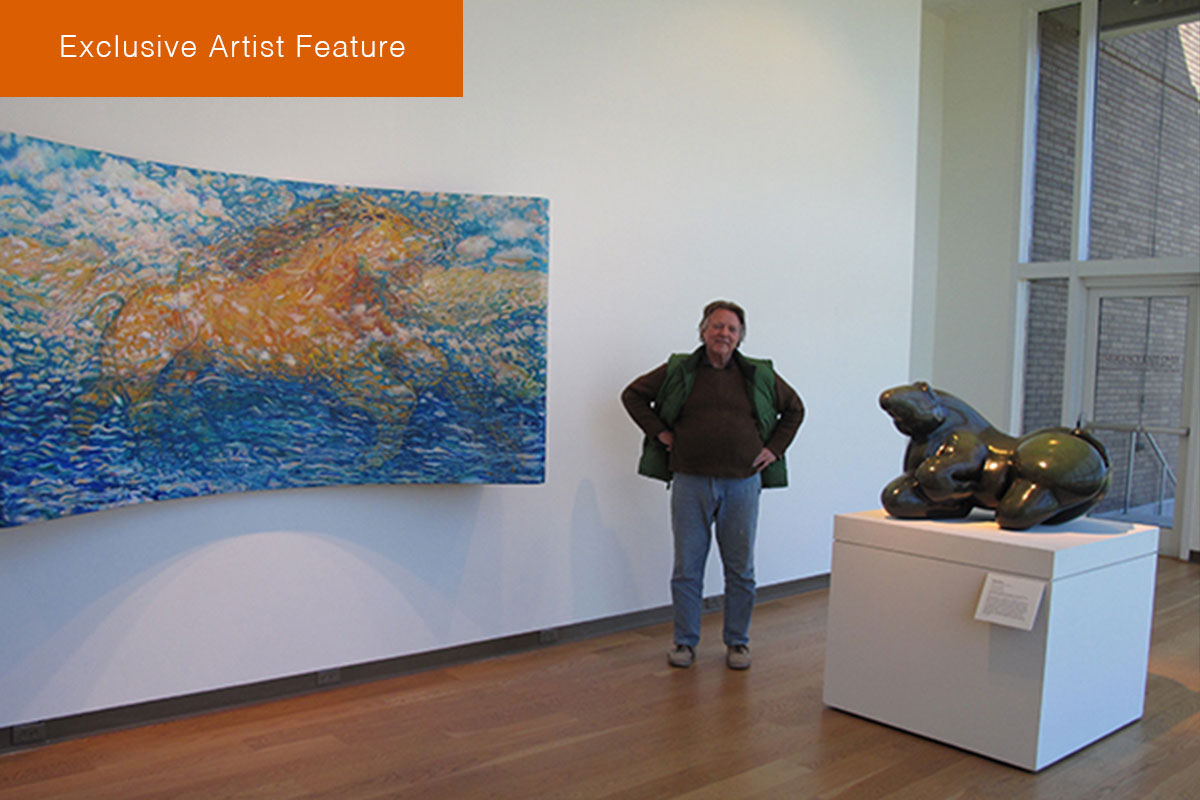
For William Schaaf, art has never been about ornament. It’s a form of reflection—a way to process, to heal, and to remain in conversation with the unseen. At 80, he still works daily in his studio, coaxing horses out of bronze, clay, and canvas as he has for more than sixty years. The horse isn’t just his subject; it’s his symbol, his vocabulary. Each one he creates carries echoes of endurance and spirit, bridging the material and the mystical. Schaaf’s work is deeply influenced by the Zuni and Navajo traditions, where small fetishes of animals were carved not to decorate, but to guide and protect. He channels that same purpose, turning sculpture into an act of reverence—an offering to continuity, balance, and healing.
Tantra Gurl
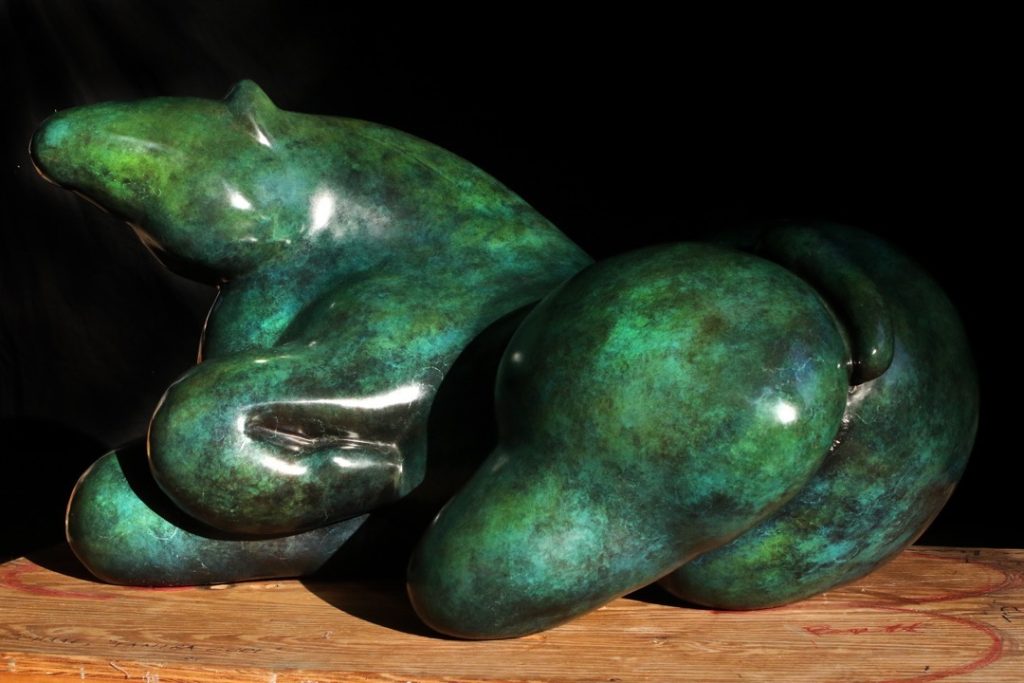
“Tantra Gurl” is a bronze horse, thirty-six inches tall, though her presence feels larger than her form. Schaaf calls her a “power horse,” but she carries the stillness of a spirit. Her body seems to pulse with quiet vitality—caught between rest and movement, strength and surrender. Three Florida museums hold her in their collections, yet Schaaf speaks of her less as an artwork and more as a companion, something with a pulse of her own.
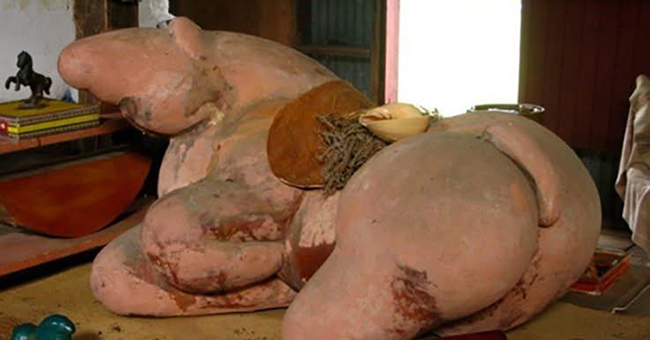
The idea began, as most of his works do, without a plan. Schaaf followed instinct, letting emotion and memory guide his hands. He wanted to embody fertility and endurance—qualities that have long defined the horse as both a sacred and earthly being. Drawing from the traditions of Native American fetishes, particularly those of the Zuni and Navajo peoples, Schaaf enlarged their intimate power into something monumental. “Tantra Gurl” is a fetish expanded—a sacred protector remade in bronze, scaled up to meet the modern gaze while keeping its spiritual core intact.
Her form is deliberate, every muscle and hollow placed with intention. Schaaf doesn’t sculpt for realism; he sculpts for resonance. The horse emerges as if remembered from somewhere deep within—a fusion of anatomy, memory, and intuition. The bronze surface bears the marks of that process: textured, softened, touched by both flame and time. She’s not polished to perfection; her finish holds warmth, the evidence of the hands that made her.
Patination, the coloring of metal through fire and chemicals, is something Schaaf describes as “watercoloring with fire.” The phrase captures the tension between control and unpredictability. In Tantra Gurl, this alchemy gives rise to layered browns and greens, tones that resemble the sacred stones used in tribal carvings. She glows faintly, as though lit from within—a creature made of earth but shaped by spirit.
Seen in person, Tantra Gurl feels alive. Her stance is alert but calm, her head tilted upward in quiet awareness. There’s no aggression in her strength, only balance. Schaaf’s horses aren’t trophies or symbols of power; they’re emotional landscapes. They hold traces of memory—his own, and those of the collective human experience. You don’t just look at them; you sense them.
To Schaaf, the horse embodies transformation. Across decades, the animal has come to stand for freedom, creation, and renewal. In Tantra Gurl, all of these merge. There’s grace in her shape, humility in her stillness, and the suggestion of ancient wisdom in her patina. She’s both grounded and transcendent—a figure of quiet resilience.
Schaaf often refers to art as his medicine. The act of sculpting—the pouring, sanding, and firing—is not just craftsmanship, but ritual. Each step is a meditation on patience and change. In that rhythm of making, Schaaf finds both purpose and peace. Tantra Gurl was born from that same rhythm, becoming less a product and more an invocation.
After six decades, Schaaf still sees every new work as a continuation of dialogue—with his materials, his beliefs, and the unseen world that moves through both. Tantra Gurl, with her calm intensity and timeless grace, feels like a response in that lifelong conversation. She bridges the tangible and the sacred, suggesting that art, when made with presence, never stops living.
In Schaaf’s hands, bronze becomes a vessel for spirit. Tantra Gurl proves that stillness can hold motion, that silence can speak. Decades after her creation, she remains luminous—anchored yet alive, carrying the same steady energy that has defined Schaaf’s work for a lifetime.
