

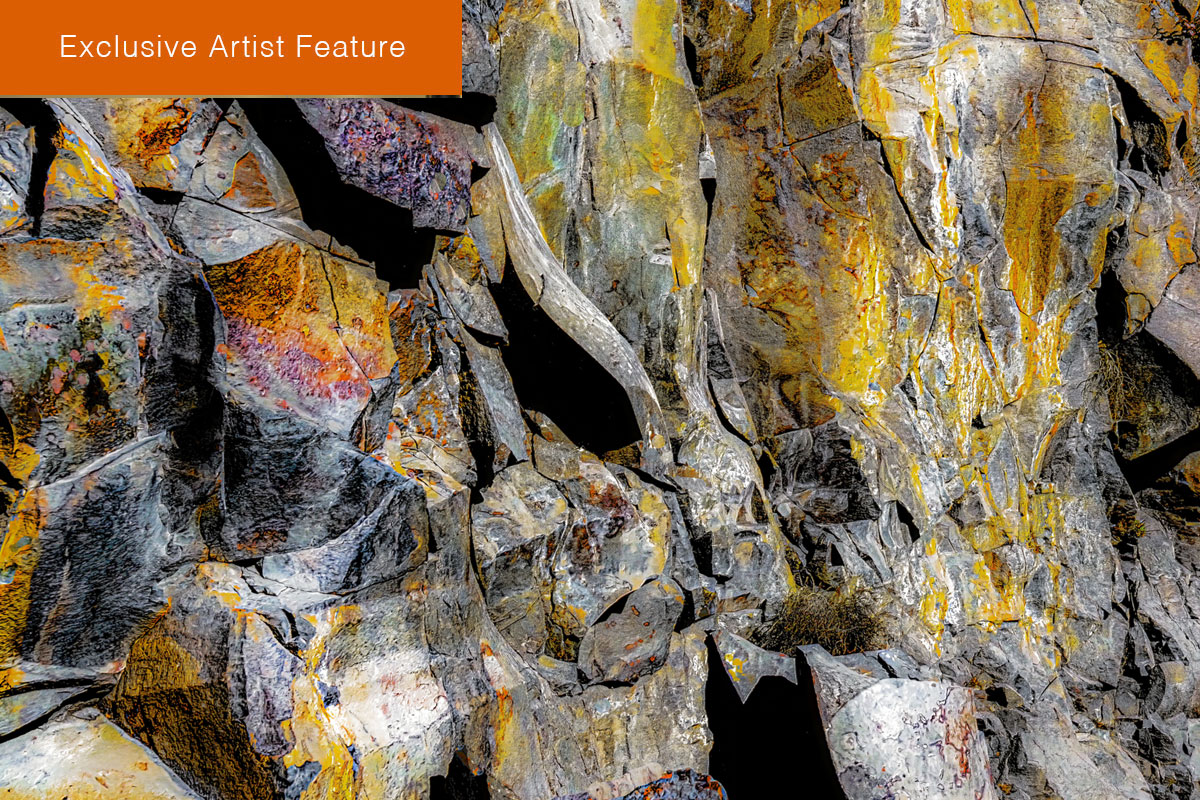
Julian Jollon, an American artist, works at the intersection of life, myth, and spirit. Trained in Fine Arts, Photography, and Painting, his creative path was once interrupted by a long silence—a fifteen-year period shaped by illness and recovery. Following a liver transplant and a career in Hospital Epidemiology, Jollon eventually found his way back to art. Yet the return was not simply a continuation of his earlier practice; it was a renewal born from survival. His art now moves between the physical and the spiritual, translating what he calls “borrowed light” into image and form. Through his work, he explores the idea that creation is not something we possess but something that passes through us—meant to be shared freely, like breath.
The Red Road: Creation as Offering
In Thinking Indigenous, Jollon writes:
“The meaning of life is to discover our passions, and once they are discovered and developed, the purpose of life is to give our gift away.”
That line defines the heart of his practice. His art is shaped by the belief that creation is not an act of ownership but of generosity. Drawing from Indigenous philosophy, Jollon embraces the “Red Road,” a way of living grounded in balance, honesty, and respect for spirit. On this path, art becomes more than aesthetic—it becomes a ritual, a means of communion. For him, the artist’s role is not to claim authorship but to serve as a vessel through which something larger moves. What is made is not possessed; it’s returned to the world.
Celestial Stone Gallery
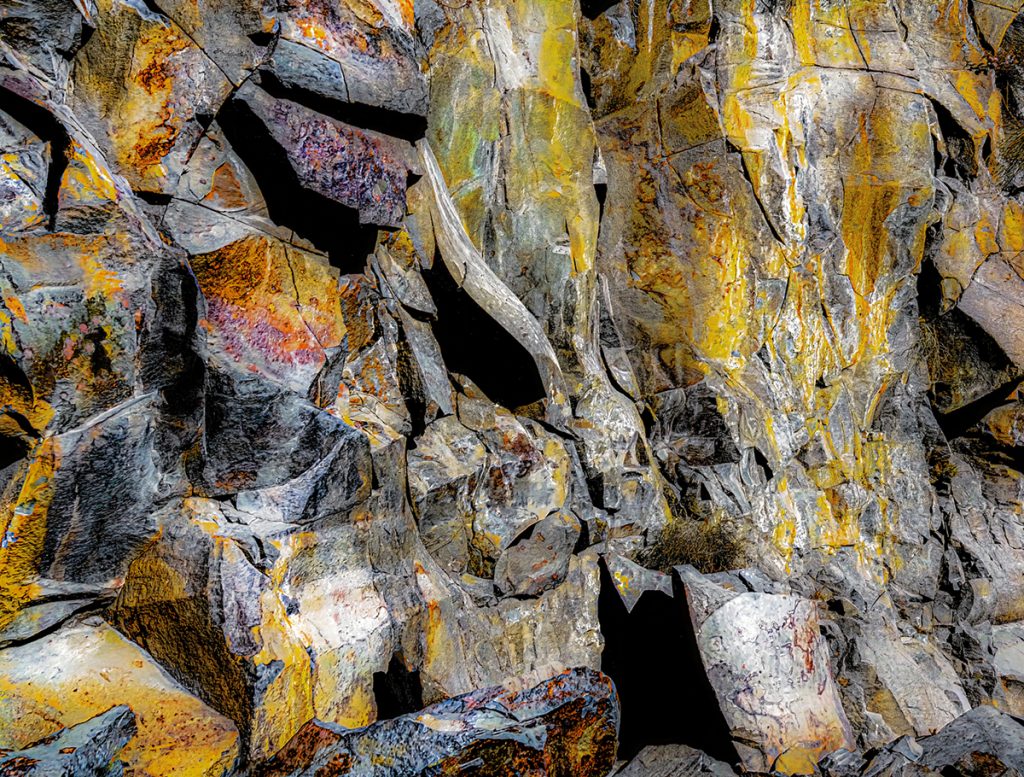
Celestial Stone Gallery stands among Jollon’s most contemplative works. The image reveals a landscape both earthly and ethereal—stones washed in hues that shimmer between dream and twilight. It could be mistaken for a photograph at first glance, yet the longer one looks, the more it transforms into something fluid—a hybrid of painting, vision, and prayer. Jollon describes it as “a gallery where stone meets the stars,” a place where earth and sky merge in color and memory.
Three spiritual ideas shape the piece:
Art as Transmission – Jollon treats art as a current that flows through him. In this view, ideas belong to no one. The artist is simply a channel, allowing what wants to be seen to manifest.
Stone as Voice – The rocks within the image are not mute; they are storytellers. Their lines, cracks, and shadows contain the memory of time itself. The land speaks if we learn to listen.
Generosity of Spirit – For Jollon, beauty is not something to possess but to circulate. The act of giving is central to his art. To share an image is to honor the spirit that made it possible.
He pairs the work with a short poem that mirrors its essence:
This stone does not belong.
It arrived with colors tasted by sky songs,
painted by a spirit who never asked for name.
It is gallery and vision, gift and echo.
Give it away. That is how we remember.
Eternal Whispers
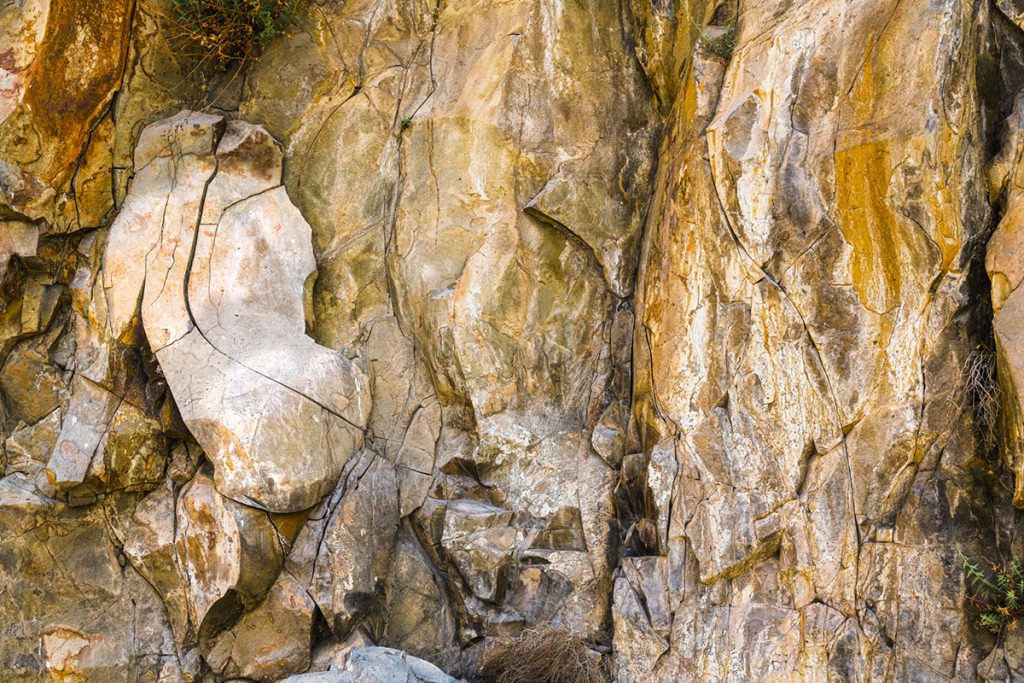
In Eternal Whispers, Jollon blurs the boundaries between humanity and nature. A woman and a horse emerge from the rock face as if carved by light itself. The play of shadow and glow turns the stone into living tissue—breathing, listening, alive. Stillness and energy coexist here, forming a dialogue between the organic and the elemental.
This piece captures the tension between opposites: soft and hard, human and mineral, movement and stillness. What results is less a depiction and more a relationship—an ongoing exchange between beings. Jollon portrays not separation but belonging, a timeless connection between spirit, animal, and earth.
Accompanying the work is a poem that reads like a chant of remembrance:
Hands on warm cliff, she hears them—low language of quartz and vein,
old breath folded into mineral, syllables of river-time.
A face steps out of fractured light; a humming, patient company,
stones remembering names the wind forgot.
Her pony stands rooted between hoof and horizon,
mane threaded with cedar and moon-salt, eyes like riverbed glass.
It lifts a hoof and the rock answers, a drumbeat underfoot,
ancestors folding into gait, sending stories up through the soles.
They move as one: woman, horse, and the slow congregation of stone,
a cartography of touch that redraws the world.
This writing, like his image, blurs art and prayer. Both invite the viewer to listen—not just with the eyes, but with the heart.
