

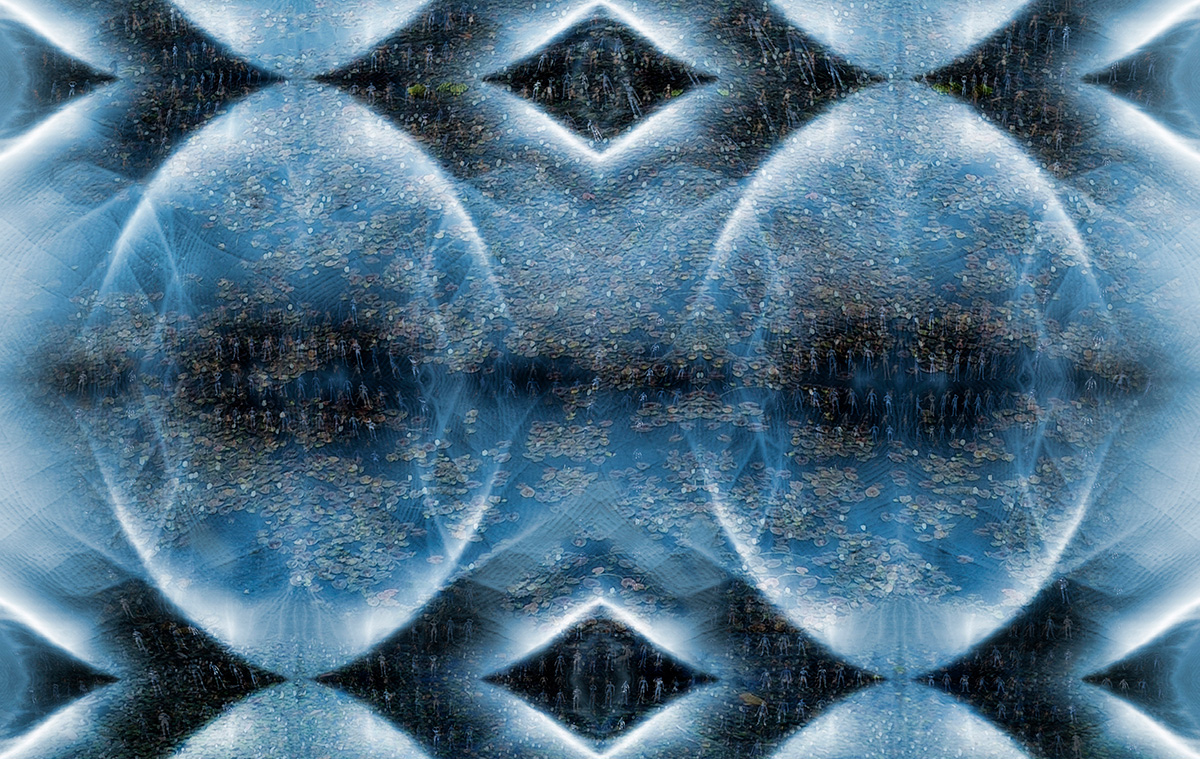
From her base in Athens, Greece, Vicky Tsalamata examines the connections between human experience, historical memory, and the pressures of contemporary society. Her practice approaches the present as something shaped by earlier lives, inherited conflicts, and cultural narratives that continue to influence how people understand themselves. Irony runs through her observations, bringing uncomfortable questions about power, morality, and personal worth into view. Drawing on the social scrutiny associated with Honoré de Balzac’s La Comédie Humaine, she considers how individuals navigate circumstances larger than themselves. Yet her concerns also reach into the private spaces of loneliness, friendship, and the desire to communicate. Across her series La Comédie Humaine and Bird’s Eye, printmaking becomes a means of investigating these overlapping realities. One addresses the contradictions of human society; the other seeks a wider perspective through which identity, memory, and belonging might be understood within a world that rarely offers certainty or lasting stability.
La Comédie Humaine
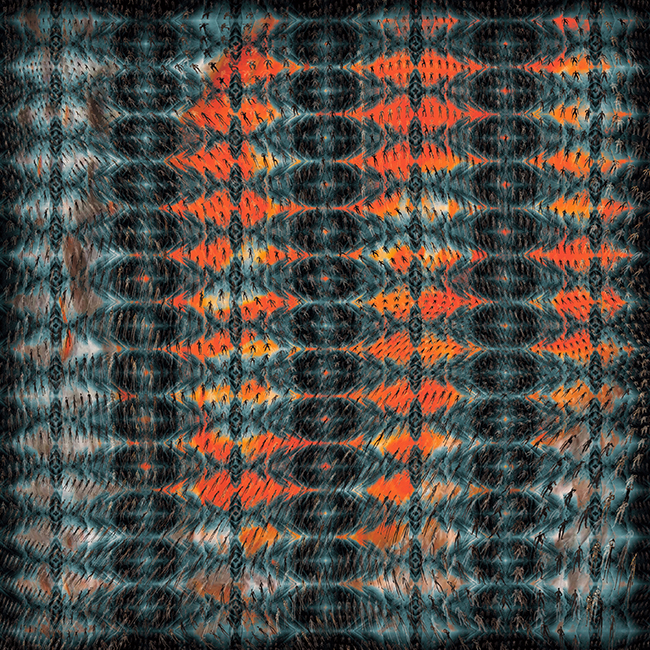
In La Comédie Humaine, Tsalamata treats the human body and face as records of lived history. A face carries more than an individual identity: it can suggest the conditions of an era, the burden of conflict, and the desires or fears that social life produces. Her approach places human experience within a larger historical field, asking viewers to consider how external forces become embedded in personal existence.
The series takes its title from Balzac’s literary examination of society while also referring to Dante’s Divine Comedy. These references introduce different ways of considering human conduct. Balzac’s attention to ambition, social relationships, and moral compromise meets Dante’s vision of divine justice. Within Tsalamata’s work, their presence opens questions about accountability: how are human actions judged, and what happens when the systems governing daily life reward corruption instead of fairness?
Her commentary is deliberately sarcastic, exposing the distance between society’s stated values and its treatment of vulnerable people. She describes a political and social order in which those with little power are crushed while corruption grows stronger. The series therefore asks how much an individual life counts within structures that impose their own priorities. Its criticism extends beyond particular events toward the recurring mechanisms through which inequality and moral indifference sustain themselves.
Alongside this social critique lies a concern with isolation. Tsalamata connects the feeling of being subject to larger forces with the difficulty of establishing meaningful contact between people. Love and friendship emerge as essential human needs within this unsettled landscape. Her use of intaglio and mixed media, combining seventeen iron matrices, gives the inquiry a material foundation. The worked surfaces and printed impressions offer a way to consider how experience leaves marks, linking the physical processes of printmaking with the accumulated pressures of human life.
Bird’s Eye
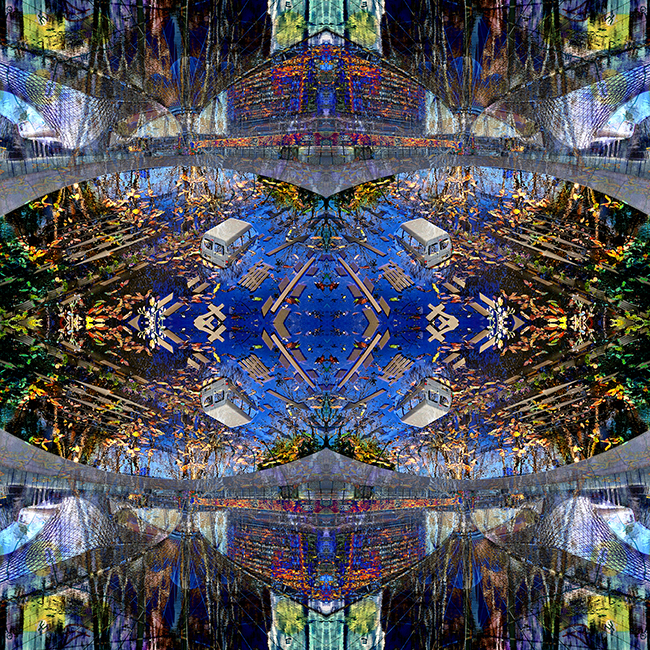
Bird’s Eye approaches related concerns through the search for perspective. Its starting point is a society reshaped by globalization, where cultural identity must be negotiated within shifting relationships and influences. Tsalamata considers the individual’s desire to connect with a broader heritage while developing an understanding of personal existence. Identity becomes an ongoing inquiry into where one belongs and how that belonging is formed.
The title suggests looking from above, but the artist’s statement gives this viewpoint an inward dimension. Distance becomes a tool for understanding relationships that may be difficult to recognize from within daily experience. Through this expanded perspective, the work attempts to map hidden paths, memories, and structures that shape both individual and collective unconscious life. Its territory includes the unseen associations through which people interpret themselves and their surroundings.
Contemporary printmaking supports this investigation through a visual language of multiple layers. Matter and light enter into dialogue, leaving traces and impressions that suggest a reality beyond immediate appearances. The comparison with mapping is central: a map selects and organizes information, allowing relationships to become legible. Similarly, Tsalamata’s work invites viewers to look beyond the surface of experience and consider the memories and connections that give it depth.
Where La Comédie Humaine confronts social injustice and human vulnerability, Bird’s Eye searches for an orientation within uncertainty. Together, the series connect public conditions with private awareness. They ask how people might understand the forces shaping their lives while preserving the capacity for connection and reflection. Tsalamata offers no simple resolution; instead, she creates space for examining the human condition through the intertwined processes of looking outward and turning inward. This movement between social observation and self-examination gives both bodies of work their shared purpose: to question where meaning can be found when familiar structures shift and the individual must continually reconsider a place within them.
